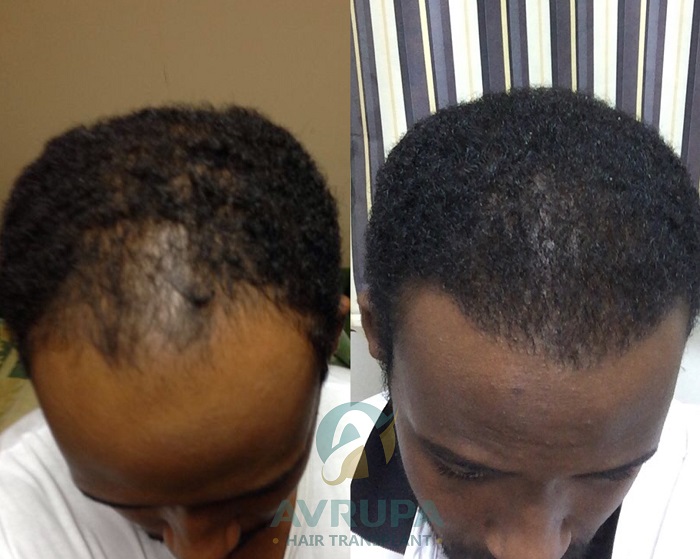
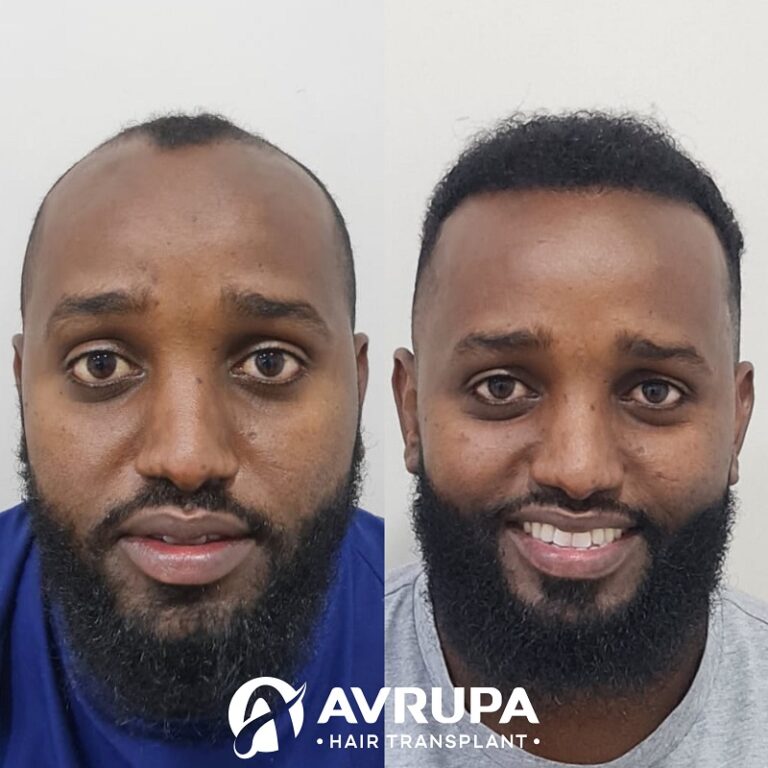
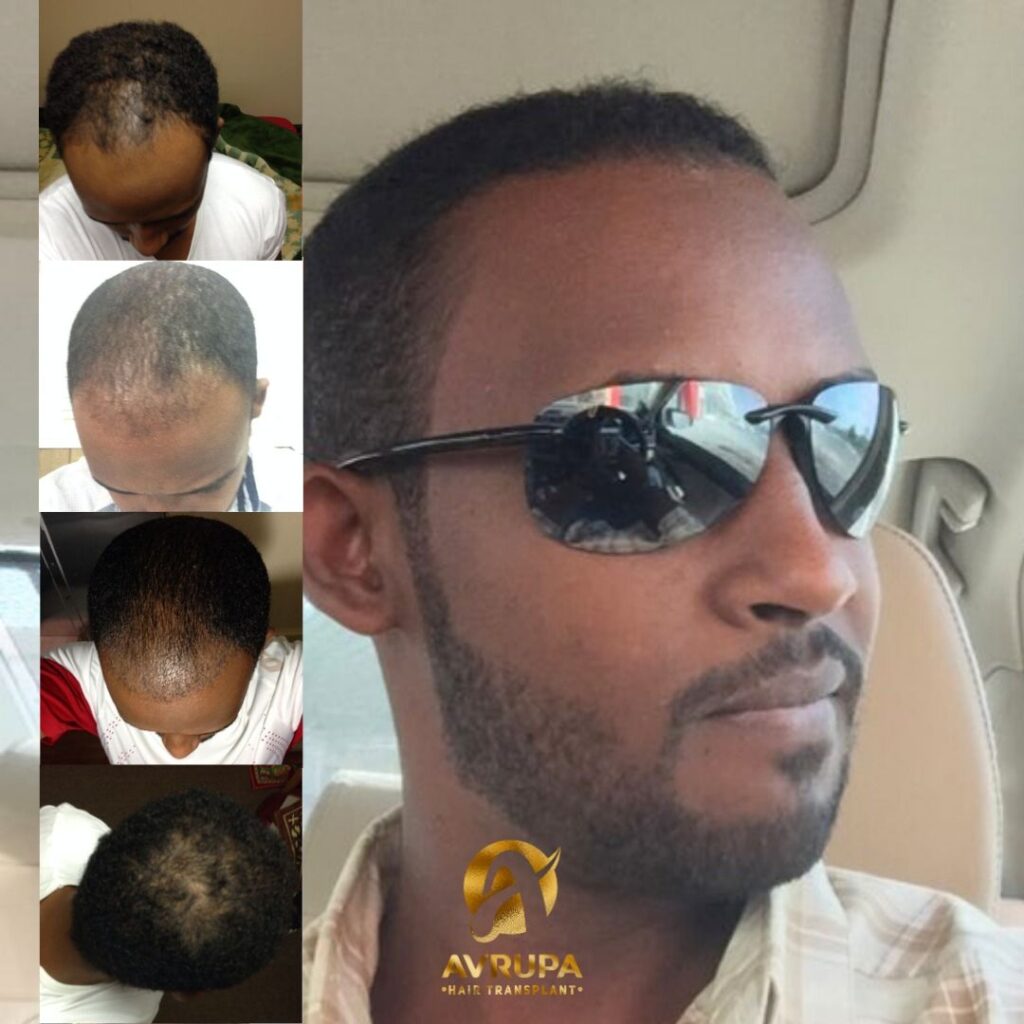
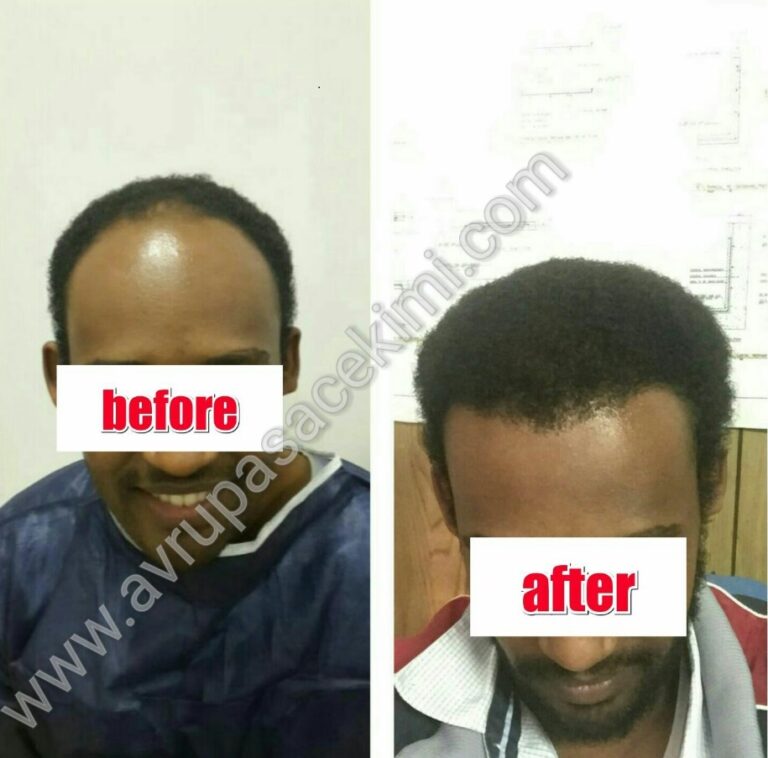
Afro Hair Transplant Turkey Before and After Results
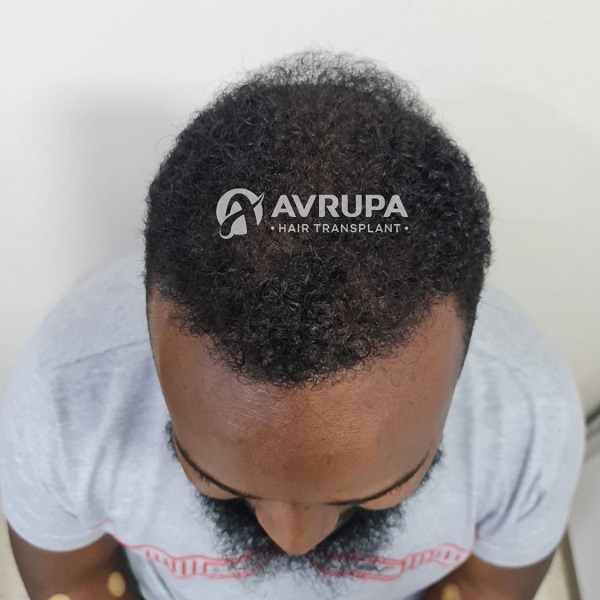
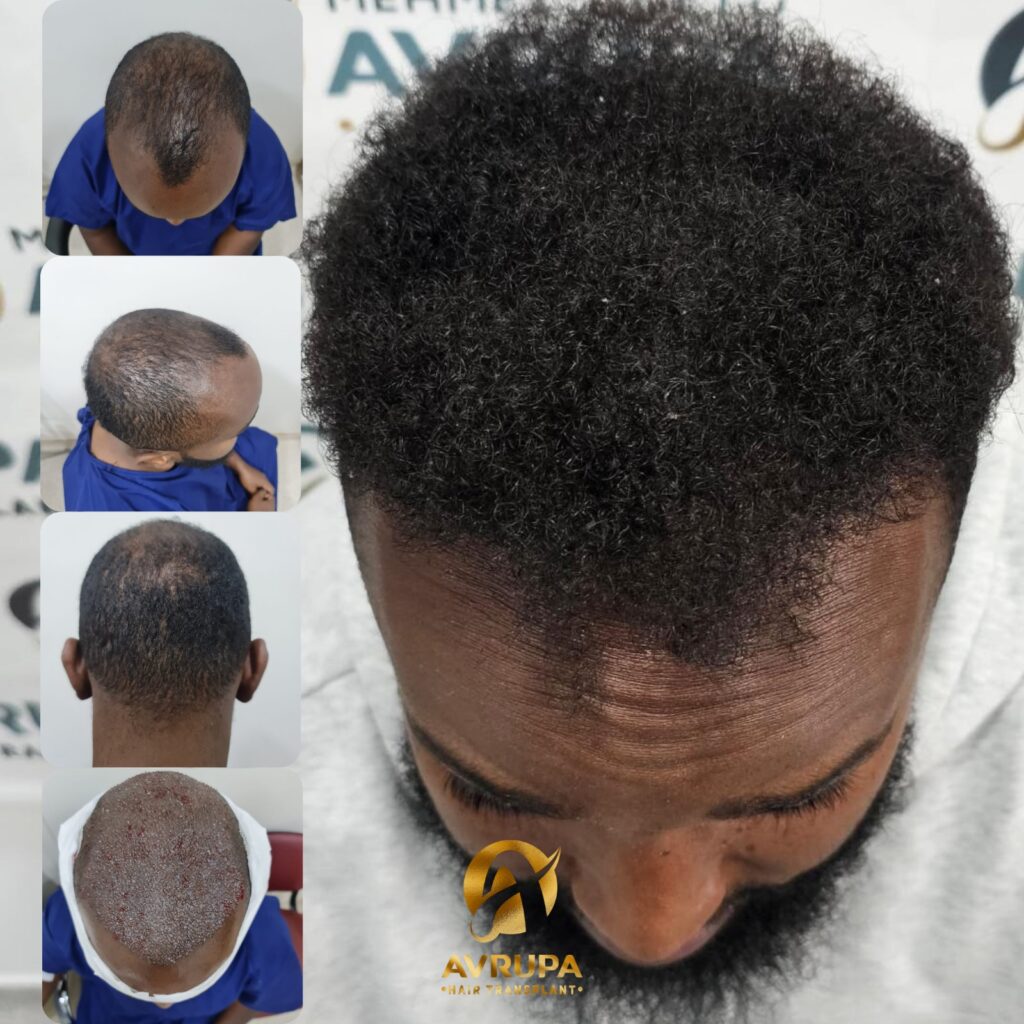
Looking at Afro hair transplant Turkey before and after photos is one of the most important steps before choosing a clinic. Afro-textured hair requires a different level of planning, extraction skill, hairline design, and graft placement than straight or wavy hair.
A good result should not only show more hair. It should show a natural Afro hairline, healthy donor area, correct growth direction, strong density, and no obvious signs of surgery.
Before and after photos help patients understand what is realistic, what is possible, and what warning signs to avoid before booking an Afro hair transplant in Turkey.
Why Before and After Photos Matter for Afro Hair
Afro hair transplantation is more technically demanding because the follicles are often curved beneath the skin. This means the medical team must extract grafts carefully to avoid damaging them.
Before and after images show whether a clinic understands Afro hair properly. They reveal much more than marketing claims.
Good Afro hair transplant photos can show:
- Natural hairline shape
- Correct temple restoration
- Improved density
- Healthy donor area
- Proper graft direction
- Realistic coverage
- Strong growth after 9 to 12 months
- No pluggy or artificial appearance
For Afro hair, photo evidence matters because not every clinic experienced in standard hair transplants is experienced in Afro-textured hair.
What Good Afro Hair Transplant Before and After Photos Should Show
A reliable before and after gallery should include clear, honest, high-quality images from multiple angles.
The best photo sets usually show:
- Front view
- Left side view
- Right side view
- Top view
- Crown view if treated
- Donor area view
- Close-up of the hairline
- Photos under normal lighting
- Photos at different growth stages
A single dramatic front-facing photo is not enough. Afro hair can look very different depending on lighting, length, styling, and angle. A trustworthy clinic should show enough detail for you to judge the result properly.
Natural Afro Hairline Design Before and After
The hairline is one of the most important parts of an Afro hair transplant result. In before and after photos, the new hairline should look natural for the patient’s face, age, curl pattern, and hair type.
A good Afro hairline result should have:
- Soft edges
- Natural irregularity
- Correct temple shape
- No straight artificial line
- No overly low hairline
- Good density at the front
- Smooth transition into existing hair
Afro hairlines should not look like a ruler-straight line. A hairline that looks too sharp immediately after surgery may look unnatural once the hair grows.
The goal is not just to lower the hairline. The goal is to rebuild a natural frame for the face.
Afro Hair Transplant Results for 4A, 4B, and 4C Hair
Patients with 4A, 4B, and 4C hair often want to know whether Afro hair transplant results can look natural. The answer is yes, but only when the clinic has real experience with tightly curled hair.
In before and after photos, 4C hair transplant results should show good coverage without obvious gaps or unnatural angles. Because tightly coiled hair creates strong visual density, many patients can achieve a fuller appearance when the grafts are placed correctly.
However, 4C hair can also be more challenging during extraction because the follicle may curve sharply beneath the skin. This is why experience matters.
A strong 4C Afro hair transplant before and after result should show:
- Natural curl integration
- Healthy scalp appearance
- Even density
- Correct growth direction
- No visible plug pattern
- No overharvested donor area
- Natural blending with existing hair
Female Afro Hair Transplant Before and After Photos
Many women seek Afro hair transplant in Turkey for traction alopecia, thinning edges, temple loss, or hairline damage caused by tight hairstyles, braids, weaves, extensions, or chemical treatments.
Female Afro hair transplant before and after photos should show careful restoration of the edges and temples without making the hairline look heavy or masculine.
Good female Afro hair transplant results usually show:
- Restored edges
- Softer frontal hairline
- Better temple coverage
- Natural baby-hair transition
- No harsh line
- No visible scarring
- Improved styling options
For women with traction alopecia, the best results are often seen when the damaged area is stable and the patient avoids the hairstyles that caused the original hair loss.
Male Afro Hair Transplant Before and After Photos
Male Afro hair transplant results often focus on receding hairlines, temple recession, frontal thinning, and crown loss.
Before and after photos for men should show a hairline that is masculine, age-appropriate, and not placed too low. A good result should look natural even with short hair.
Strong male Afro hair transplant before and after photos usually show:
- Restored frontal frame
- Natural temple angles
- Improved density
- Balanced hairline height
- Strong donor-area healing
- No obvious surgical pattern
- Coverage that matches the patient’s donor supply
Men with advanced hair loss may need a conservative hairline design to preserve grafts for future hair loss.
Afro Hair Transplant Turkey Results Timeline
Before and after photos should be judged based on timing. Hair transplant results do not appear immediately. The final result usually takes 12 to 18 months.
Immediately After Surgery
The transplanted area may look red, swollen, or dotted with small scabs. The hairline may look dense at this stage, but this is not the final result.
7 to 14 Days
Scabs begin to fall off. The transplanted area starts to look cleaner. Some redness or sensitivity may remain.
1 to 3 Months
Shock loss can happen. This means many transplanted hairs shed temporarily. This is normal and does not mean the transplant failed.
3 to 6 Months
Early regrowth begins. New hairs may be thin, soft, and uneven at first.
6 to 9 Months
Density improves. The hair starts to look more visible and easier to style.
9 to 12 Months
Most patients see major cosmetic improvement. The hairline and density become more defined.
12 to 18 Months
Final results appear for many Afro hair transplant patients. Curl pattern, thickness, and overall coverage continue to mature.
When viewing before and after photos, always check whether the “after” result is 6 months, 12 months, or 18 months. A 6-month result is not the final result.
What Realistic Afro Hair Transplant Results Look Like
A realistic Afro hair transplant result should improve appearance while respecting the limits of the donor area.
A good result may show:
- A fuller hairline
- Better edge coverage
- Improved temple shape
- Reduced bald areas
- More styling freedom
- Natural curl blending
- Healthy scalp and donor area
However, a hair transplant cannot create unlimited density. The clinic must work with the patient’s available donor hair. If the donor area is weak, overharvested, or limited, the final result may be more conservative.
The best clinics do not promise impossible density. They explain what can realistically be achieved.
How to Judge Afro Hair Transplant Before and After Photos
When looking at photos, do not only focus on the most dramatic transformation. Look carefully at the details.
Ask yourself:
- Does the hairline look natural?
- Does the density look realistic?
- Is the donor area still healthy?
- Are there multiple angles?
- Is the lighting consistent?
- Is the hair styled the same way?
- Is the after photo taken at 12 months or later?
- Does the clinic show Afro hair cases specifically?
- Can you see results for hair similar to yours?
The best comparison photos use similar angles, lighting, hair length, and camera distance. If the before photo is harsh and the after photo is heavily styled, the comparison may be misleading.
Red Flags in Afro Hair Transplant Before and After Photos
Some before and after galleries are not reliable. Edited photos, selective angles, and heavy styling can make results look better than they are.
Be careful if you see:
- Only one angle
- No donor-area photos
- No close-up hairline images
- Very different lighting
- Heavy filters
- Wet hair in one photo and dry hair in another
- Hair fibers or concealers
- No timeline information
- No Afro-textured hair examples
- Overly perfect hairlines
- No mention of graft count
- No mention of technique
- Fake-looking density
A trustworthy clinic should be willing to show clear, realistic, unedited results.
Afro Hairline Restoration Before and After
Afro hairline restoration is one of the most requested procedures for Afro hair transplant patients in Turkey. It is common among both men and women.
Before photos may show:
- Receding corners
- Thin edges
- High hairline
- Temple loss
- Traction alopecia
- Uneven hairline shape
After photos should show:
- Better facial framing
- Natural hairline curve
- Improved temple balance
- Soft frontal transition
- Healthy growth
- Natural density
Hairline restoration must be planned carefully. If the hairline is placed too low, it can look unnatural and use too many grafts.
Afro Edge Restoration Before and After
Edge restoration is especially common in women with traction alopecia. The goal is to rebuild the delicate frontal and temple areas.
Good Afro edge restoration before and after photos should show subtle, natural improvement. The edges should not look thick, harsh, or artificial.
A natural edge restoration result should blend with the patient’s existing curl pattern and allow normal styling after full healing.
Patients should also avoid tight hairstyles after surgery to protect the transplanted and existing hair.
Afro Crown Hair Transplant Before and After
Crown restoration can be more complex because the crown needs more grafts to create visible density. Afro hair can help create coverage because curls provide volume, but the crown still requires careful planning.
Before and after crown photos should show:
- Top view
- Crown swirl direction
- Even coverage
- No patchy appearance
- Realistic density
- Good blending into surrounding hair
The crown often takes longer to mature than the hairline. Some patients may not see full crown improvement until 15 to 18 months.
Donor Area Before and After Photos
The donor area is just as important as the transplanted area. A good Afro hair transplant should not damage the back or sides of the scalp.
Donor-area photos should show whether the clinic extracted grafts safely.
A healthy donor area after surgery should show:
- Even extraction
- No visible patchiness
- No overharvesting
- No large scars
- Good healing
- Natural appearance with short hair
Because Afro hair can be curly beneath the skin, poor extraction can damage follicles and leave visible donor thinning. This is why donor-area photos are important.
FUE Afro Hair Transplant Before and After
FUE is commonly used for Afro hair transplants in Turkey. In FUE, grafts are extracted one by one from the donor area and implanted into the thinning or bald area.
Good FUE Afro hair transplant before and after photos should show:
- Clean donor healing
- Natural hairline growth
- Good density
- Correct curl direction
- No visible plug pattern
- No overharvesting
FUE can be effective for Afro hair when the clinic understands curved follicle extraction.
DHI Afro Hair Transplant Before and After
DHI is sometimes used for Afro hairline, temple, and edge restoration. It may allow more controlled placement, but it must be performed by an experienced team.
Good DHI Afro hair transplant results should show:
- Precise hairline design
- Natural angle control
- Soft frontal density
- Good blending with existing hair
- Minimal trauma to the scalp
DHI is not automatically better than FUE. For Afro hair, the skill of the team matters more than the technique name.
How Many Grafts Are Used in Afro Hair Transplant Before and After Cases?
The number of grafts depends on the size of the area being restored.
| Area Treated | Typical Graft Range |
|---|---|
| Hairline refinement | 800–1,500 grafts |
| Temple restoration | 600–1,200 grafts |
| Edge restoration | 500–1,200 grafts |
| Frontal restoration | 1,500–2,500 grafts |
| Crown restoration | 1,500–3,000 grafts |
| Advanced hair loss | 3,000–4,500+ grafts |
Afro hair can sometimes create more visual coverage with fewer grafts because the curls add volume. However, this does not mean every Afro hair patient needs fewer grafts. The exact number depends on hair loss severity, donor strength, and desired density.
Before and After Photos After a Failed Afro Hair Transplant
Some patients travel to Turkey for repair surgery after a failed Afro hair transplant elsewhere. Repair cases are more complicated and require careful planning.
Before photos may show:
- Pluggy hairline
- Poor density
- Overharvested donor area
- Wrong graft direction
- Scarring
- Uneven hairline
- Low survival rate
After repair photos should show improvement, but patients must understand that repair surgery has limits. If the donor area has already been damaged, the clinic may not be able to create full density.
A good clinic will explain what can be improved and what cannot be fully corrected.
More Hair Transplant Results from Avrupa Hair Transplant
This page focuses on Afro hair transplant before and after photos from AfroGraft Turkey. For patients who want to see the wider clinical background behind AfroGraft Turkey, Avrupa Hair Transplant also publishes additional non-Afro hair transplant cases and media across its official website, Instagram, and YouTube.
These resources can help patients review the broader quality of Avrupa Hair Transplant’s work, including general hair transplant before and after cases, video results, and educational content.
- Avrupa Hair Transplant before and after cases
- Avrupa Hair Transplant Afro before and after page
- Avrupa Hair Transplant Instagram
- Avrupa Hair Transplant YouTube channel
When reviewing any result gallery, look for consistency, donor-area health, natural hairline design, lighting quality, visible growth timelines, and cases similar to your own hair type.
Should You Trust Instagram Afro Hair Transplant Photos?
Instagram can be useful for browsing results, but it should not be your only source of information.
Social media photos may use ideal lighting, styling, filters, or selective angles. Some results may also show temporary styling products or hair fibers.
Use Instagram as a starting point, but always ask the clinic for:
- Full case photos
- Before photos
- After photos at 12 months
- Donor-area images
- Graft count
- Technique used
- Hair type similarity
- Unedited close-ups
- Video results if available
Video can be especially helpful because it is harder to hide density problems, angles, or artificial hairlines.
What to Ask a Clinic Before Trusting Their Photos
Before booking an Afro hair transplant in Turkey, ask the clinic:
- Are these your real patients?
- Are the photos edited or filtered?
- What was the graft count?
- Was the case FUE or DHI?
- How many months after surgery was the photo taken?
- Can I see donor-area photos?
- Can I see results for 4C hair?
- Can I see female traction alopecia cases?
- Can I see results with short hair?
- Who performed the extraction and implantation?
- Was the surgeon involved?
A serious clinic should answer clearly.
How to Prepare for Your Own Before and After Photos
If you are planning an Afro hair transplant in Turkey, take your own photos before surgery. This helps you track your progress accurately.
Take photos from:
- Front
- Left side
- Right side
- Top
- Crown
- Back donor area
- Hairline close-up
- Temples
- Edges
Use the same lighting, same room, same camera distance, and same hairstyle when possible. Take progress photos every month after surgery.
This will help you understand your growth timeline and avoid panic during the shock-loss phase.
Final Answer: What Should Afro Hair Transplant Turkey Before and After Photos Prove?
Strong Afro Hair Transplant Turkey before and after photos should prove that the clinic can create natural results for Afro-textured hair. They should show more than just a fuller hairline. They should show correct curl direction, healthy donor healing, realistic density, natural hairline design, and long-term growth.
AfroGraft Turkey is backed by Avrupa Hair Transplant Clinic in Istanbul. Patients can review AfroGraft Turkey’s Afro-focused gallery alongside Avrupa Hair Transplant’s wider website, Instagram, and YouTube content to better understand the broader hair restoration experience behind the brand.
The best photos are clear, unedited, well-lit, and taken from multiple angles. They should include the hairline, temples, treated area, and donor area. They should also state the graft count, technique, and time after surgery.
For Afro hair, the most important thing is not the most dramatic transformation. It is a result that looks natural, grows well, protects the donor area, and matches the patient’s real hair texture.
FAQ: Afro Hair Transplant Turkey Before and After Photos
What should I look for in Afro hair transplant before and after photos?
Look for a natural hairline, good density, healthy donor area, correct growth direction, multiple angles, consistent lighting, and results taken at least 9 to 12 months after surgery.
Are Afro hair transplant results in Turkey natural?
They can be natural when the clinic has real experience with Afro-textured hair, curved follicle extraction, and proper hairline design.
How long does it take to see Afro hair transplant results?
Early growth often begins around 3 to 4 months. More visible results appear around 6 to 9 months. Final results usually take 12 to 18 months.
Why do Afro hair transplant before and after photos vary so much?
Results vary because of graft count, hair type, donor strength, technique, clinic skill, hair loss severity, healing, and how the after photos are taken.
Can 4C hair transplant results look natural?
Yes. 4C hair transplant results can look very natural when grafts are extracted and implanted correctly. The clinic must understand the curved structure of tightly coiled follicles.
Should before and after photos show the donor area?
Yes. Donor-area photos are important because they show whether the clinic avoided overharvesting, patchiness, and visible scarring.
Are Instagram before and after photos reliable?
They can be useful, but they should not be your only proof. Ask for unedited photos, multiple angles, donor-area images, graft count, and 12-month results.
What is a red flag in Afro hair transplant photos?
Red flags include filters, only one angle, no donor-area view, unclear timeline, no graft count, no Afro hair examples, overly sharp hairlines, and inconsistent lighting.
Do female Afro hair transplant results look different from male results?
Yes. Female Afro hair transplant results often focus on edges, temples, and traction alopecia. The hairline should usually be softer and more delicate.
Can Afro hair transplant photos show final results at 6 months?
Six-month photos can show progress, but they are usually not final. Afro hair transplant results often continue improving until 12 to 18 months.